Nowadays, construction industry is focusing on reaching the most energy efficience posible is not a tendency anymore and it happens to be a necesity. In these moments, in which climate emergency grows and the global pandemic situation, have shown the imperious need to take action from all posible fronts, including building and construction sector.
In Europe, only by acting based con energy efficience criteria in the existing buildungs, experts estimate that we could reach a reduction of pollutant emissions close to 40%. And this is just one of the examples.
Companies integrating AIFIM (Asociación Ibérica de Fabricantes de Impermeabilización) develop, design and perform waterproofing systems priorizing energy efficience, confort, susteinability and product lifecycle, following the principles of circular economy, from obtaining the raw materials to their elimination by recycling.
In the strategies to reach sustainability, the Sustainable Deveopment Goals (ODS) from the UN, among the goals that will help us get a prosperous, fairer and sustainable future that affect our sector more directly we find the climate action, the creation of sustainable cities and communities, the responsible production and cosume, affordable and clean energy, decent jobo r the creation of alliances to reach the goals.
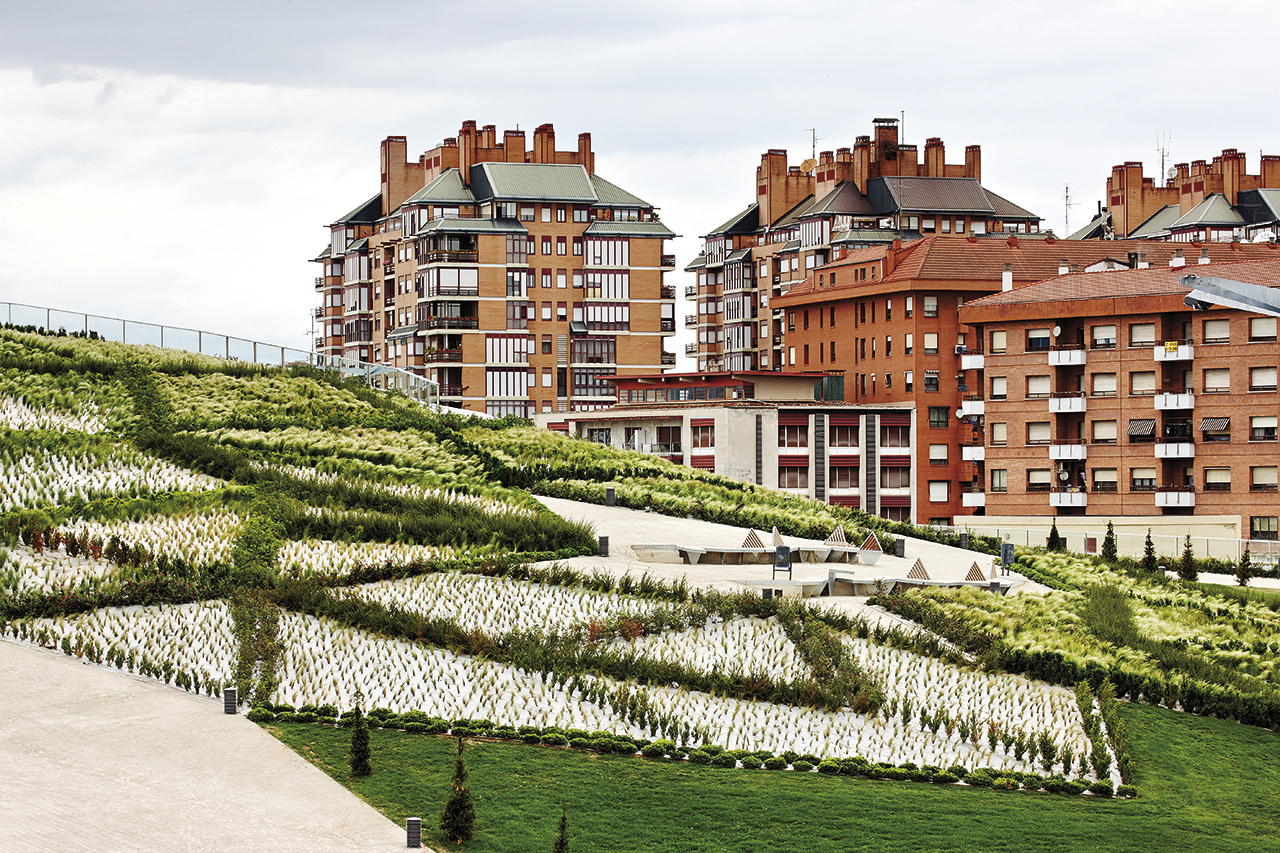
Focusing in the waterproofing market, we find out that there are new systems being developed that comply with the ODS mentioned above, as for example Green roofs in all its variety, cool roofs or high reflectance roofs and new systems cobining waterproofing and termic isolation, all these solutions help fighting the heat island effect and stimulate energy saving.
It should be noted that, day by day, the sector bets more and more in new generation products. These products are conceived, from its fabrication to its transformation in place and the final recycling, to use less energy in all the stages and less CO2 emissions, they are also products more susteinable and long lasting, so they get easier to enviromental produtc certificates as well as qualifications for energy efficience including high standards stablished by Passivhaus and representing a complete circular economy model.
Sources: AFIM, Passivhaus, Agenda 2030, ONU